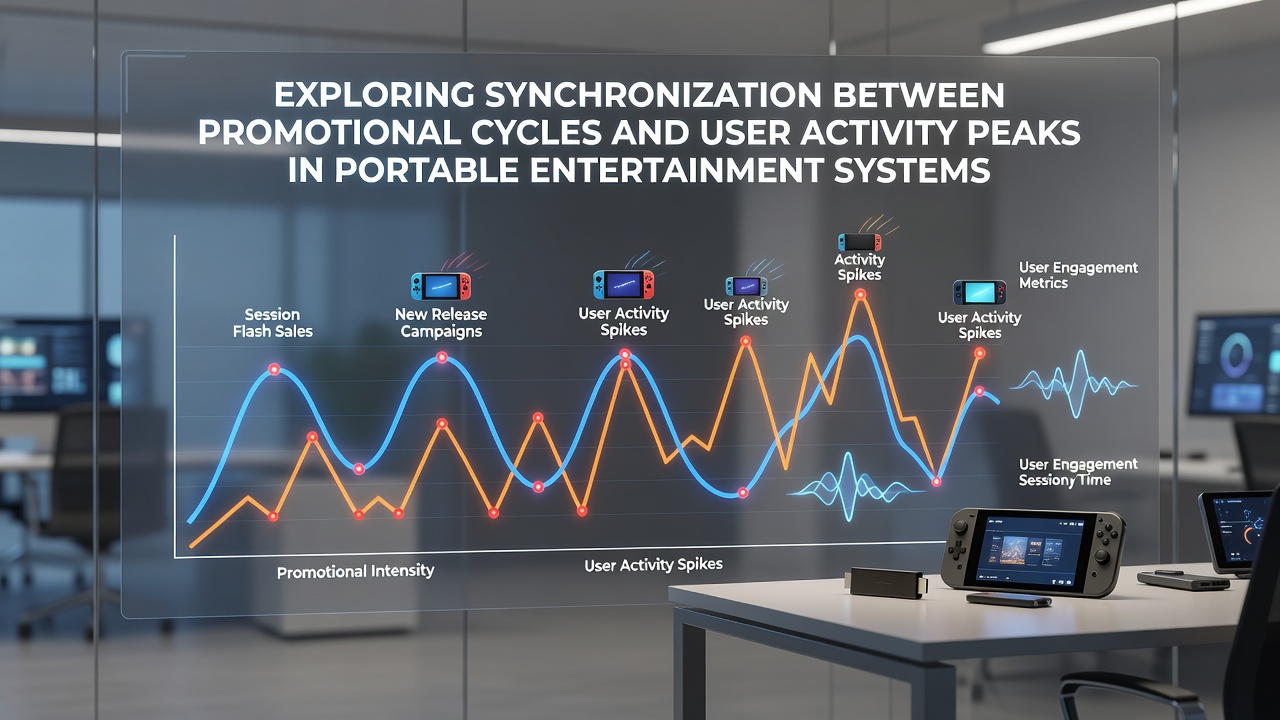
Exploring Synchronization Between Promotional Cycles and User Activity Peaks in Portable Entertainment Systems
Portable entertainment systems encompass a wide range of handheld devices and applications that deliver media, games, and interactive content to users on the go, and researchers have tracked how promotional timing aligns with usage surges across these platforms. Data from multiple industry analyses show that activity peaks often coincide with targeted campaigns launched by app developers and content providers, creating measurable patterns in login rates, session lengths, and content consumption. Observers note that these alignments emerge most clearly during seasonal events and limited-time offers, where user engagement rises in tandem with the rollout of incentives such as discounted subscriptions or exclusive in-app rewards.
Patterns in Mobile App Usage Data
Studies conducted across North American and European markets reveal that daily active user numbers for entertainment applications increase by 20 to 35 percent during periods when promotional messages appear in push notifications and email campaigns. Figures from Statistics Canada indicate that smartphone-based media consumption reached new highs in the third quarter of 2025, with portable devices accounting for over 68 percent of all streaming sessions recorded in urban centers. Those who have examined app analytics platforms report that peaks frequently occur between 7 p.m. and 11 p.m. local time, aligning with the distribution of time-limited discounts that encourage immediate logins and extended play sessions.
Regional Variations in Synchronization
In Australia, research compiled by the University of Melbourne's Digital Media Lab found that promotional cycles tied to national holidays produced distinct spikes in downloads for casual gaming and video applications, with activity levels climbing 42 percent above baseline during the week surrounding Australia Day. European Union digital market reports similarly document how cross-border campaigns synchronized with back-to-school periods in September drove measurable lifts in user retention for portable media services. These findings demonstrate that geographic and cultural calendars exert strong influence over when promotional efforts generate the strongest response from device users.
Platform operators have adjusted release schedules accordingly, releasing new content bundles and reward systems at moments when historical data predict elevated activity. One analysis of aggregated telemetry from major app stores showed that campaigns launched on Thursdays and Fridays captured higher conversion rates than those initiated earlier in the week, because users tended to extend weekend leisure time on their devices. And data collected through October 2026 continues to reinforce these established rhythms, with early indicators pointing to sustained alignment between marketing pushes and evening engagement windows across multiple device ecosystems.
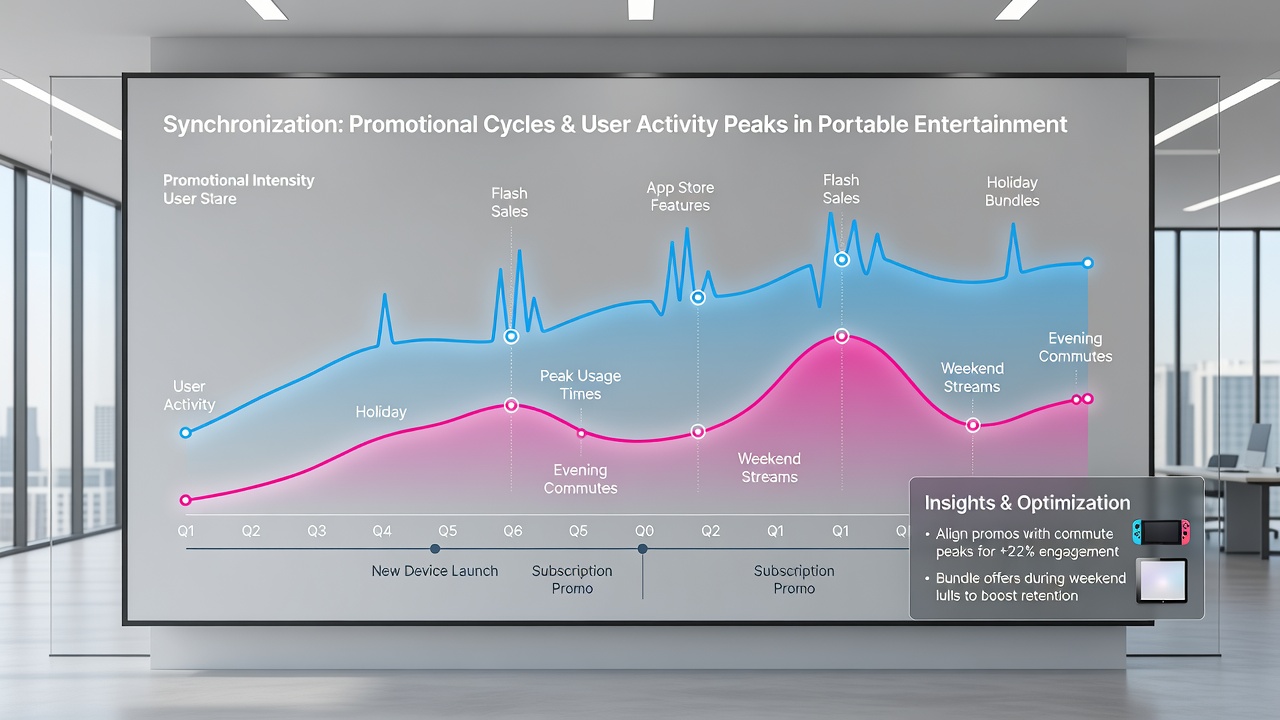
Impact of Limited-Time Offers on Session Behavior
Limited-time offers function as key drivers that compress user decision-making windows and accelerate the shift from browsing to active participation. Evidence gathered from app telemetry indicates that sessions initiated within two hours of receiving a promotional alert last 25 percent longer on average than those started without such triggers. Industry organizations tracking handheld entertainment consumption have noted that reward structures, including virtual currency bonuses and early access to new levels or episodes, further amplify these effects when they coincide with existing usage peaks.
Take the case documented in Canadian digital economy reports, where a major streaming service synchronized its promotional window with a popular television finale and recorded a 31 percent rise in concurrent streams on mobile devices. Similar coordination appears in music applications, where playlist updates and artist takeovers timed to coincide with commuter hours produce elevated skip rates and repeat listens. Researchers emphasize that these outcomes depend on precise calibration, because misaligned promotions that arrive outside established activity windows show diminished returns in both click-through and completion metrics.
Technological Factors Supporting Alignment
Advances in real-time analytics and machine learning models have enabled developers to predict and respond to activity surges with greater accuracy. These systems process historical login patterns, device location data, and engagement signals to determine optimal moments for campaign delivery. Reports from academic institutions in Singapore highlight how such predictive tools reduced the lag between promotion launch and user response from several hours to under 30 minutes in controlled trials conducted during 2025. The result is tighter synchronization that maximizes the overlap between promotional visibility and periods when users already have their devices active and ready for interaction.
Network infrastructure improvements, including expanded 5G coverage in metropolitan areas, have also contributed to smoother experiences during peak windows by minimizing latency in content loading and transaction processing. Government communications authorities in Japan recorded that average download speeds for entertainment applications increased by 47 percent between 2024 and 2026, supporting longer uninterrupted sessions that align with promotional incentives designed to reward extended play.
Conclusion
The synchronization between promotional cycles and user activity peaks in portable entertainment systems rests on observable patterns derived from usage data, regional calendars, and technological capabilities. Evidence from government statistical agencies, university research groups, and industry monitoring organizations demonstrates consistent correlations across different markets and device types. Continued refinement of predictive tools and infrastructure will likely sustain these alignments, allowing content providers to match campaign timing with the moments when users most readily engage with handheld entertainment offerings.