
Tracing Reward Tier Impacts on Session Patterns Within Regulated Digital Table Environments Across Jurisdictions
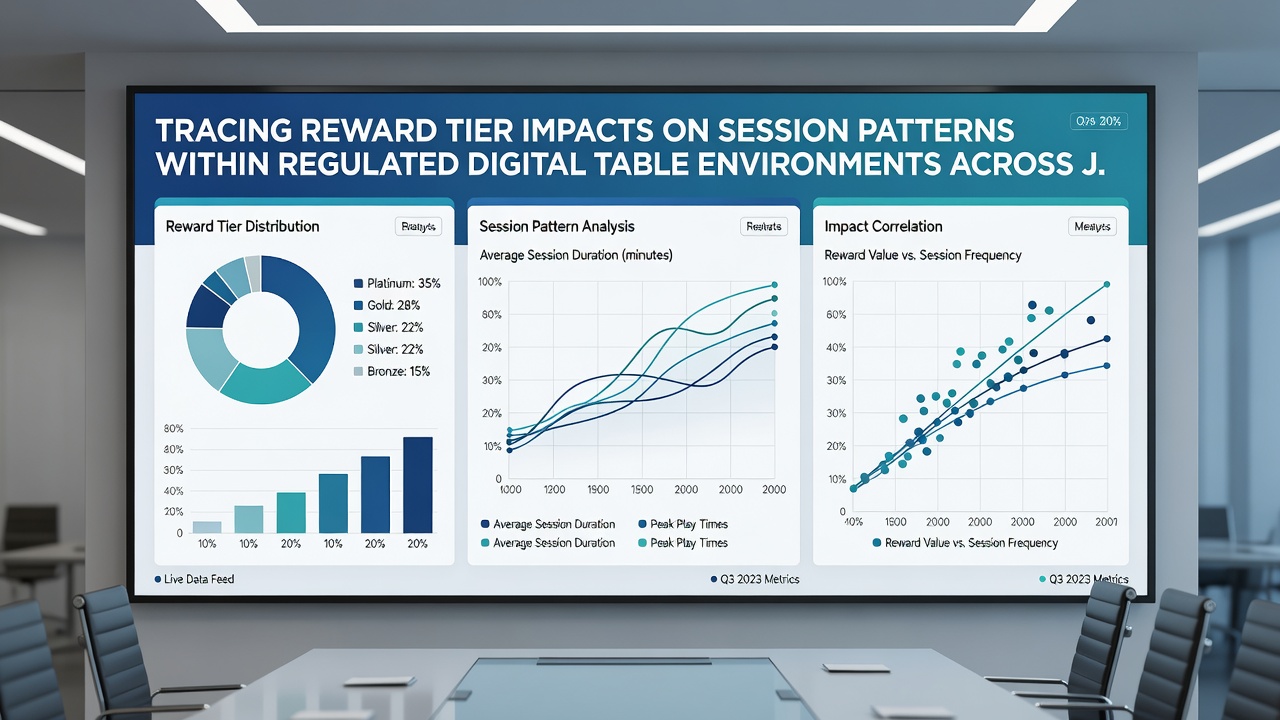
Analysts have tracked how reward tiers shape player behavior in regulated digital table environments, where structured loyalty programs intersect with live dealer sessions on blackjack, roulette, and baccarat platforms. Data from licensed operators reveals measurable differences in session length, wager frequency, and game selection as players advance through bronze, silver, gold, and platinum levels.
Jurisdictions apply distinct reporting requirements that affect how these patterns surface in public records. In New Jersey, operators submit monthly activity summaries to the Division of Gaming Enforcement that separate table game engagement by loyalty tier, while Michigan's Gaming Control Board requires quarterly breakdowns of average session duration segmented by reward status. These filings allow cross-border comparisons without revealing individual accounts.
Data Collection Across Regulated Markets
Operators collect timestamped logs that record entry into digital tables, tier status at login, cumulative wagers, and exit times, then aggregate the figures for regulatory submissions. Researchers examining these datasets note that players in higher tiers often extend sessions by 18 to 27 minutes on average compared with entry-level accounts, though the effect varies by game type and jurisdictional rules on session reminders.
One study of European markets released in 2025 examined platforms licensed in Malta and Gibraltar and found that gold-tier participants initiated 31 percent more roulette spins per hour than bronze-tier users during identical time windows. The same analysis showed that platinum members shifted toward lower-volatility table variants once reward thresholds approached, a pattern less pronounced in lower tiers.
North American Patterns
Across U.S. states with regulated online table offerings, tier progression correlates with changes in funding behavior and game selection. Pennsylvania's gaming reports indicate that silver-tier accounts fund digital wallets 2.4 times more frequently than bronze accounts during peak evening hours, while gold-tier sessions cluster around live dealer baccarat rather than automated roulette wheels. Canadian provincial regulators in Ontario publish similar metrics that show platinum players maintaining average session lengths above 94 minutes, compared with 61 minutes for bronze accounts.
These differences appear consistent through November 2026 filings, where operators updated tier definitions to reflect post-pandemic player migration toward mobile table environments. Regulators in both countries require disclosure of any algorithmic adjustments to reward accrual rates, which helps isolate tier effects from promotional variables.
European and Asian Regulatory Contexts
European operators face stricter session-time disclosure rules under the European Gaming and Betting Association guidelines, which require public reporting of median session lengths by loyalty tier every six months. Data submitted through 2026 shows that silver-tier players in Spain and Italy extend live dealer blackjack sessions by roughly 22 percent after crossing into the next reward bracket, whereas platinum players exhibit steadier pacing across multiple games within a single login.
In regulated Asian markets such as those overseen by the Philippine Amusement and Gaming Corporation, tier-based session data appears in annual compliance audits rather than monthly releases. These audits reveal that gold-tier participants favor private dealer tables once they reach monthly wager milestones, resulting in longer but less frequent connections compared with public lobby tables used by lower tiers.
Cross-Jurisdictional Variables
Technical standards for session tracking differ enough to complicate direct comparisons, yet certain variables remain measurable. Time-zone adjustments, mandatory break prompts, and currency conversion timing all interact with tier status. Observers note that platforms operating under multiple licenses must maintain separate logging protocols for each jurisdiction, which sometimes produces staggered updates when tier thresholds reset at month-end.
Academic reviews of these datasets, including work published by researchers at the University of Nevada, Reno, highlight that reward tier effects on session patterns remain statistically significant after controlling for deposit size and game volatility. The studies emphasize aggregate trends rather than individual outcomes, preserving anonymity while documenting measurable shifts in engagement duration.
Conclusion
Regulatory filings through late 2026 continue to supply the raw material for mapping reward tier impacts on digital table session patterns. As more jurisdictions publish segmented data, the ability to isolate tier-driven behaviors from promotional or technical factors improves, giving operators and oversight bodies clearer benchmarks for evaluating how loyalty structures influence time spent at regulated live dealer tables.