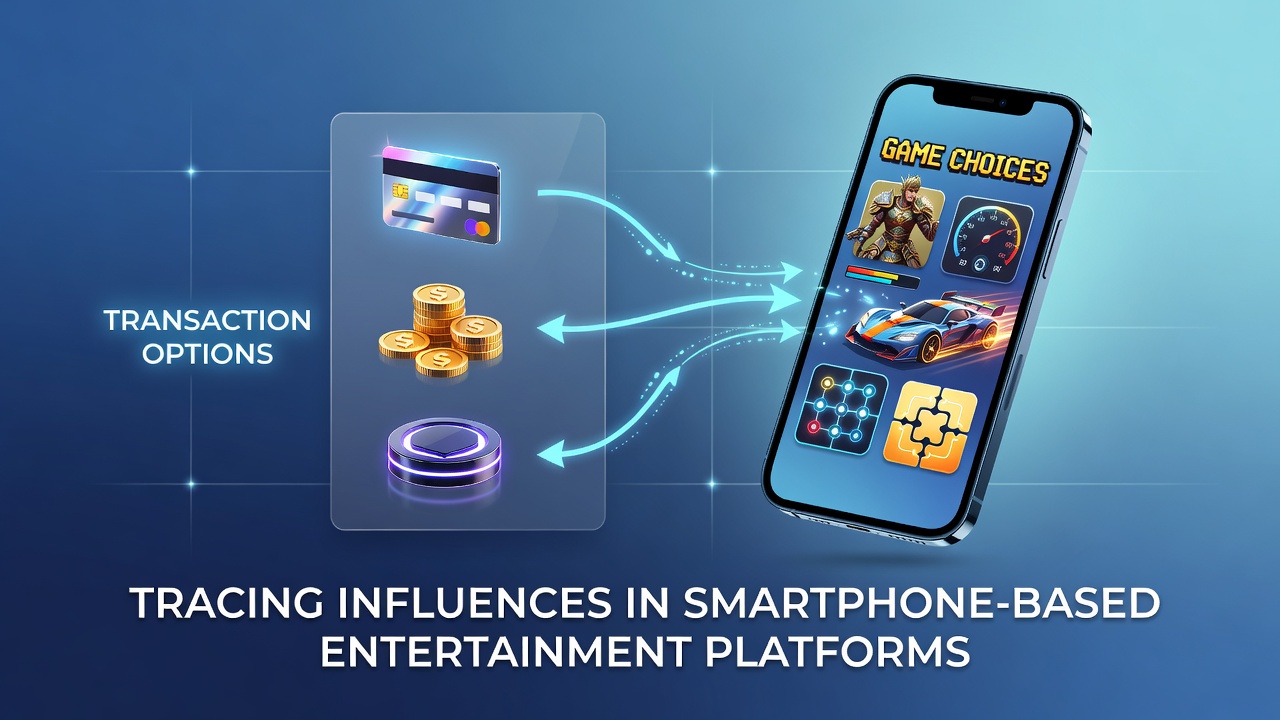
When Transaction Options Meet Game Choices: Tracing Influences in Smartphone-Based Entertainment Platforms
Smartphone entertainment platforms have expanded rapidly since the early 2010s, and transaction options now shape which games users select on a daily basis; payment methods range from one-time purchases and subscriptions to in-app microtransactions, while platform policies from Apple and Google set the boundaries for how those options appear inside applications. Researchers tracking user behavior across iOS and Android devices have documented clear patterns where friction in payment setup leads players toward free-to-play titles that rely on later in-app spending rather than upfront costs.
Payment Method Evolution Across Mobile Ecosystems
Digital wallets integrated directly into operating systems reduced checkout steps for millions of users, and data from industry reports shows that games offering seamless Apple Pay or Google Pay integration retain higher session times compared with those requiring manual card entry; this shift accelerated after 2020 when contactless options became standard on most new devices. Platform operators introduced subscription tiers for premium content inside entertainment apps around the same period, creating pathways that bundle multiple games under a single recurring charge instead of isolated purchases.
Studies conducted by academic teams at universities in Australia and Canada indicate that regional payment preferences influence initial game downloads, with users in markets favoring local digital wallets selecting titles that support those specific methods at higher rates than titles limited to international credit cards. As of November 2026, platform analytics continue to reflect these regional differences even as unified wallet standards gain traction globally.
How Transaction Structures Guide Genre Selection
Free-to-play models paired with optional cosmetic purchases draw users who prefer low initial commitment, whereas premium puzzle and strategy games often rely on one-time fees that appeal to players seeking complete experiences without ongoing prompts; researchers have mapped these correlations through anonymized download data across several major app stores. Observers note that battle-pass systems, which combine time-limited rewards with recurring payments, appear more frequently in competitive multiplayer genres because the transaction flow aligns with regular play schedules.
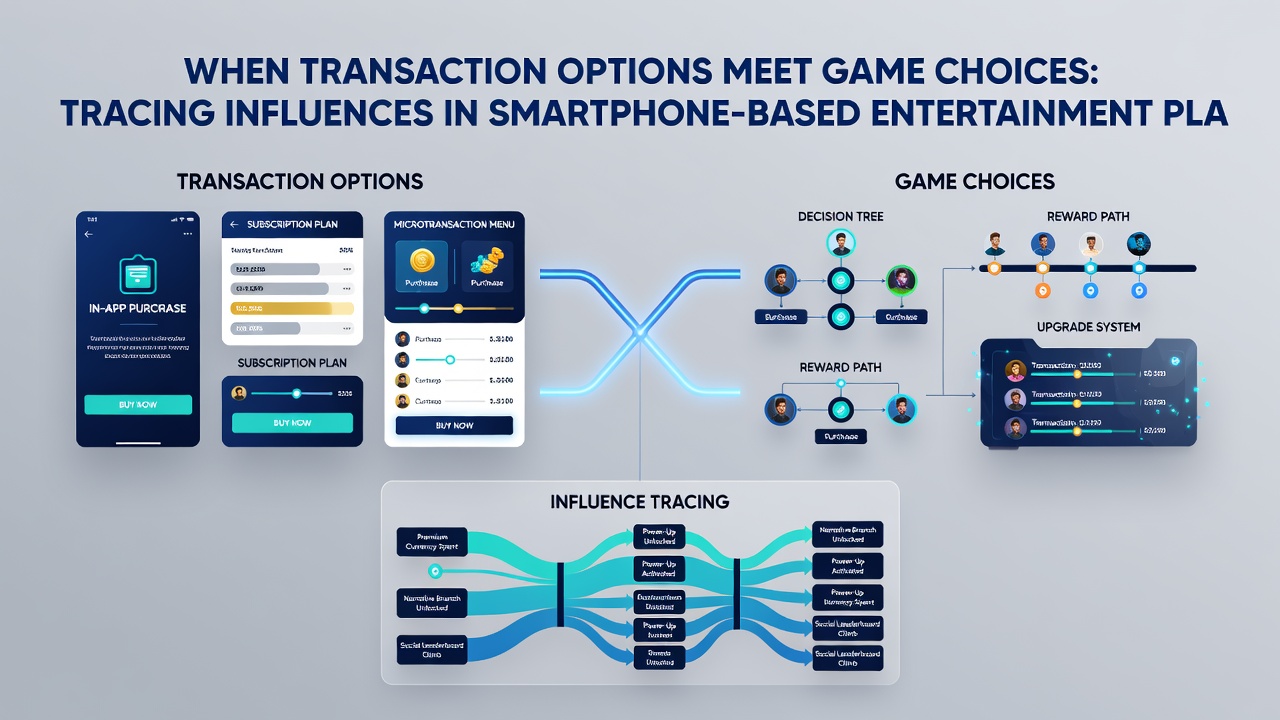
Evidence from aggregated user surveys compiled by European research institutions reveals that notification timing for payment reminders correlates with shifts toward shorter session games during certain hours of the day, because users avoid lengthy commitments when they anticipate future billing alerts. Those patterns hold across demographic groups once device type and primary payment method are controlled for in the analysis.
Platform Policy Changes and User Response Patterns
Updates to in-app purchase rules by major operating systems have prompted developers to adjust monetization inside entertainment titles, and figures released by trade associations show measurable migration toward hybrid models that combine free entry points with optional paid progression; this adjustment occurred most visibly in role-playing and simulation categories. Users who previously avoided paid games sometimes migrate to subscription bundles when those bundles support multiple titles under one account, reducing the perceived risk of trying new options.
According to reports from the Singaporean government gaming oversight body and parallel data sets maintained by North American academic centers, payment speed and confirmation transparency directly affect whether players complete purchases or abandon carts mid-flow; titles that surface pricing details before deep engagement retain broader audiences across both casual and core genres.
Regional Data on Transaction Influences
Market analyses covering Latin America and parts of Southeast Asia demonstrate that local banking integrations increase selection of narrative-driven adventure games that feature longer play arcs, because users encounter fewer currency conversion hurdles during checkout; these findings come from cross-referenced telemetry shared by multiple analytics providers. In contrast, regions with stronger credit card penetration show steadier uptake of competitive esports-style mobile titles that use microtransaction economies.
One longitudinal project tracking thousands of devices found that introduction of installment payment options for larger in-app bundles expanded the range of genres downloaded by younger users who previously limited choices to low-cost entries. Such shifts appear consistently when researchers segment results by primary transaction method rather than by stated preferences alone.
Conclusion
Transaction options continue to intersect with game selection mechanics inside smartphone entertainment platforms through measurable pathways documented in multiple independent data sources; platform operators, developers, and payment processors each contribute variables that together determine which titles gain traction in specific markets. Continued monitoring of these interactions provides clearer insight into how small differences in checkout design translate into broader patterns of engagement across mobile ecosystems.